Unlocking Public Value Through Smarter, Unified Digital Services
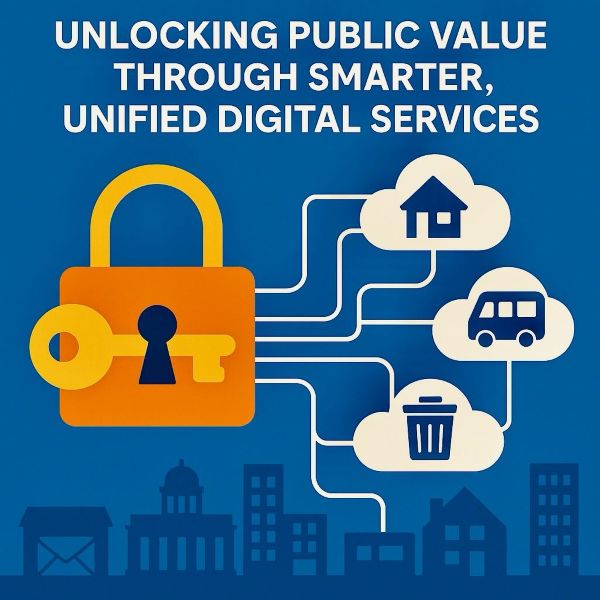
Unlocking Public Value Through Smarter, Unified Digital Services
I recently commented on a compelling post by Jørgen Østergaard of id connect A/S, highlighting how Danish municipalities have achieved high levels of digital enablement and standardisation, benefiting both businesses and the public.
This has been achieved by having a single country-wide IT and Digital Strategy that all Danish municipalities adhere to.
Then, I considered – what if the same approach were to be implemented across the UK or any other country? How could this help businesses and the public at large?
While many UK councils have made major progress with digital innovation programmes, they still face multiple challenges that include duplicate systems, inconsistencies in service quality, and over-dependency on certain suppliers. This can affect businesses and residents in several ways.
Being expected to log in to different portals, accept new processes and standards for each area, and for the same services, seems highly inefficient. Even something as basic as waste management can vary a lot from one area to another, leading to confusion and inefficiency.
Moving further towards smarter, unified digital systems could help build on existing successes and address these challenges head-on.
Shared platforms and common data standards have the potential to:
- Improve consistency and efficiency
- Enable wider adoption of emerging technologies like AI and automation
- Enhance responsiveness through predictive analytics and improved personalised communications
- Optimise resource allocation across departments
Higher levels of standardisation and interoperability could also make the procurement process fairer, making it easier for smaller businesses to compete in the RFP process. This has the potential to attract a wider range of suppliers, encourage fresh thinking, and make public spending go further.
Maybe a more collaborative approach to public sector technology could deliver even greater value for both the public sector and the people it serves.
By building on what’s already working, prioritising interoperability and user experience, and encouraging openness in the supplier market, we can create a more responsive and innovative digital landscape for everyone.